Phase 1 — Shock & Reality Shift
Right after conflict begins, culture experiences a psychological jolt. The world suddenly feels less stable and less predictable. People sense that ordinary assumptions may no longer hold, even if daily life continues normally.
Artists and audiences react almost immediately. Humor becomes darker. Irony replaces optimism. Satire increases. Surreal or absurd themes begin to appear more frequently. People start questioning authority, narratives, and even shared reality itself.
This is the period when culture becomes alert. Creative work often reflects confusion, anxiety, or disbelief. Science fiction, dystopian storytelling, protest music, and metaphysical speculation tend to surge. Art becomes a way for society to process uncertainty and emotional shock.
Historically, this phase appeared during the early Vietnam era, throughout the Cold War cultural boom, and again after events like 9/11. Creativity turns toward examining reality rather than celebrating it.
Phase 2 — Meaning Hunger
After the initial shock settles, people begin searching for meaning and emotional grounding. Anxiety shifts into a desire for connection, reassurance, and shared experience.
Music and art often move toward human warmth. Spiritual themes increase. Nostalgia becomes attractive. Cultural energy turns toward roots traditions, community participation, and shared ritual experiences.
This is why periods following geopolitical stress frequently produce folk revivals, choir singing, acoustic music, and gatherings centered around participation rather than spectacle. The human nervous system looks for signals of belonging and continuity.
Communal creativity becomes important. Singing together, storytelling, and collective artistic experiences help restore emotional balance.
Phase 3 — Satire & Defiance
Once fear becomes familiar rather than shocking, artists begin pushing back. Humor sharpens and becomes more openly critical. Satire grows stronger and more fearless.
Comedy, parody, political theater, and rebellious artistic forms emerge. Laughter becomes a psychological defense mechanism and a way to reclaim agency. Authority figures and institutions increasingly become subjects of humor.
Historically this phase produced waves of cabaret, underground comics, political satire, and socially critical performance art. Cultural expression becomes bold, irreverent, and questioning.
Phase 4 — The Strange Golden Age
Paradoxically, prolonged periods of uncertainty often lead to extraordinary creative breakthroughs. When the future feels unclear, experimentation becomes easier because established rules lose their authority.
Artists take risks. Genres blend. Technology merges with art in new ways. Innovation accelerates because tradition feels less binding.
After World War II came modern jazz and abstract art. The Cold War fueled space-age imagination and science fiction. The Vietnam era helped ignite major transformations in popular music. Economic and political disruptions repeatedly open space for new artistic movements.
Constraint and instability often produce invention.
Where We Likely Are Right Now
Culturally, moments like this usually begin in Phase 1 and gradually move toward Phase 2. Early signs include increased surreal humor, commentary-driven music, renewed spiritual language, rapid creative output, and the formation of smaller creative communities.
People begin creating not only for entertainment but for orientation — to understand where they stand in a changing world. Art becomes a compass rather than decoration.
===========================================================================
So what would that look like, in a song?
Here’s what I did:
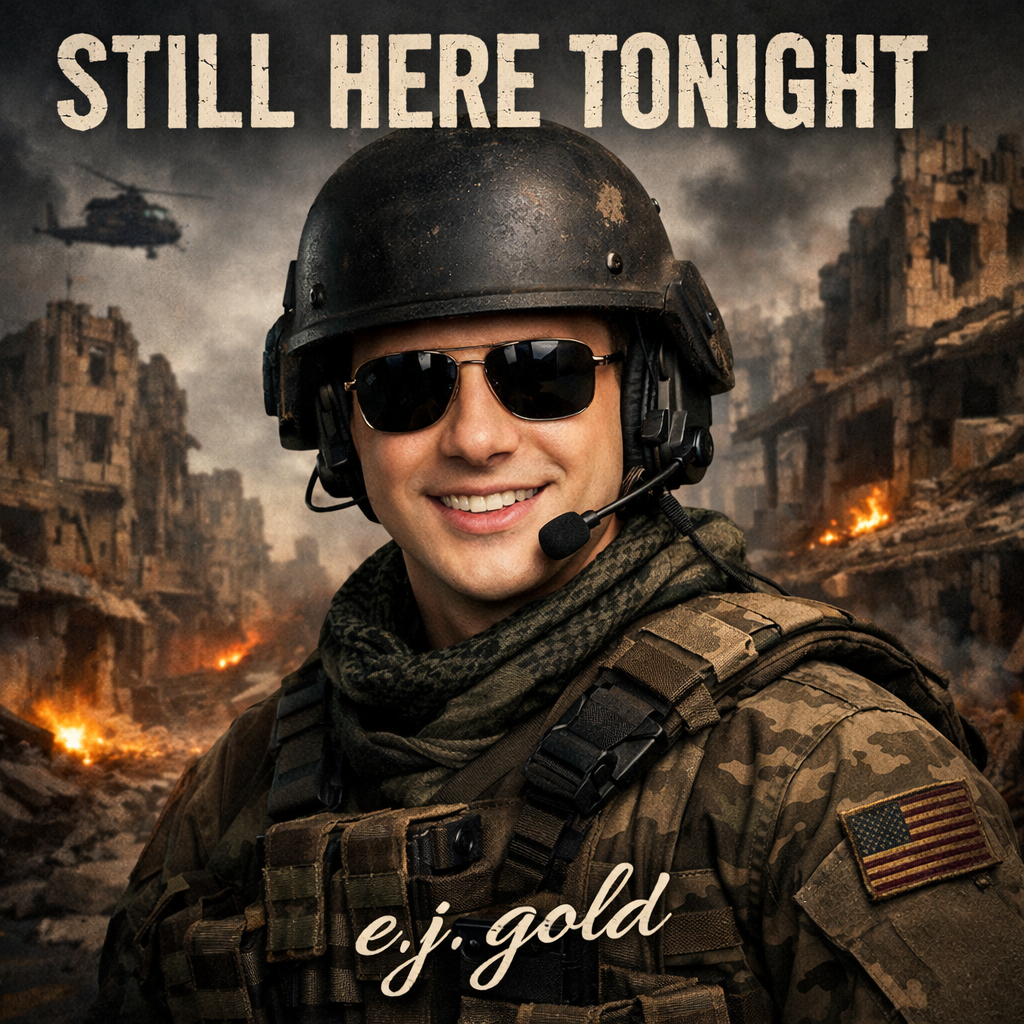
SONG: “Still Here Tonight”
Verse 1
The streetlights flicker on too soon
The radio hums a different tune
Everybody staring at the screen
Trying to say what it might mean
The headlines roll across the wall
Voices rise and systems stall
Something shifting out of sight
Turning day into the night
Verse 2
I heard somebody start to sing
A quiet, ordinary thing
A human voice above the noise
Like childhood dreams and broken toys
Someone laughing down the hall
Proof the world still stands at all
Hands reach out without a plan
Just one heart to another hand
Chorus
We’re still here tonight
Still holding the light
When the world turns strange and wide
We stand side by side
Through the fear and the flame
Nothing stays the same
But whatever may arrive
We are still alive
Verse 3
They can shake the ground below
But they don’t decide our soul
Jokes are whispered in the rain
Hope comes dancing back again
Every rumor, every cry
Still the stars hang in the sky
Laugh a little, carry on
Every night becomes a dawn
Final Chorus
We’re still here tonight
Still holding the light
Through the dark and through the flame
We rise the same
When the long night clears
Past the doubt and fear
From the shadows into view
Morning comes anew
Outro
The streetlights fade with morning’s glow
Where we’re headed, no one knows
But through every turning year
We sing because we’re here.
===========================================================================
Hey! Here’s the Bardo bus now!
===========================================================================
See You At The Top!!!
gorby