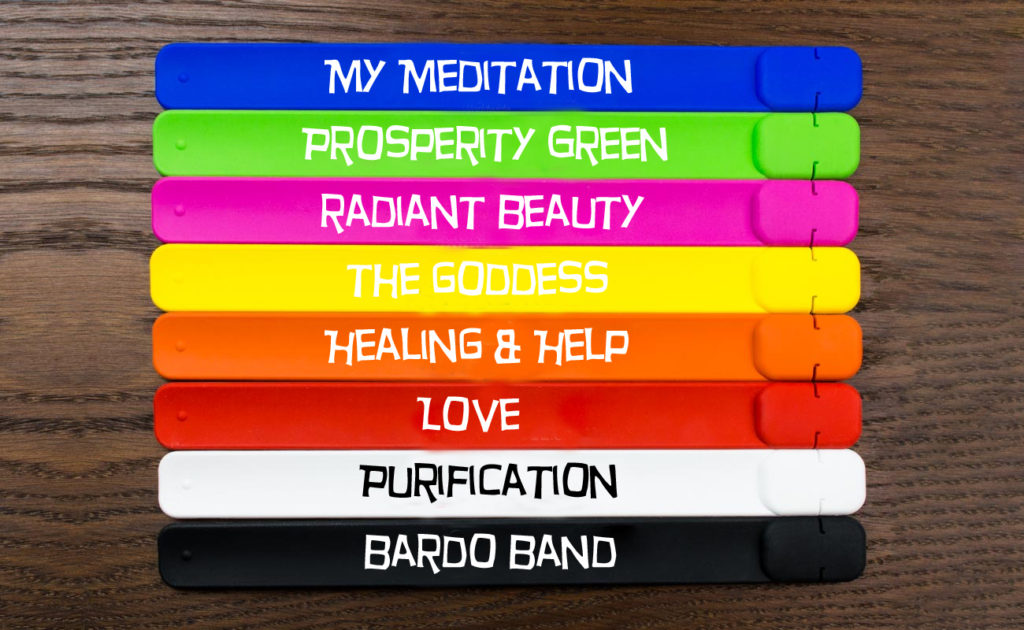
Well, here are the first few items off the pre-production line. These are not yet designed or manufactured — I’ve just used the colors and titles to indicate more or less what they’re designed to address. Continue reading
Well, here are the first few items off the pre-production line. These are not yet designed or manufactured — I’ve just used the colors and titles to indicate more or less what they’re designed to address. Continue reading

The Godd™ Particle can be carried, held or worn in a totally passive manner. Just put it on and wear it and forget about it until you take it off when you get home.
If you want more out of it, you have to do something to make it happen.
Go ahead and insert the Godd™ Particle flash drive into the USB port of your laptop or Pc and invoke the “Bardotown” starter Orb. Continue reading
If you caught a glimpse — who could take more than a glimpse? — of the Trump “Kickoff” rally last night and you lived through the First Holocaust as I did, you’ll instantly recognize the tone of the crowd.
The shouting, chanting and sheer rage and craziness of the crowd cannot be overstated.
Trump is the Beloved Leader of the New Nazi Party, which used to be called the Republican Party, and the Republicans as a whole seem to be unaware that they have been dominated and exploited and weaponized for a madman’s crazy dream of being President for Life.
He’ll do it, because people are really, truly, tremendously stupid.
On the other hand, I’ve lived through Dictatorships and Kingships and feudal systems and fiefdom and all that sort of rubbish so many times, and frankly, it all sort of comes out the same.
Most people who see my book, “Trump is a Four-Letter Word” think I’m against Trump, but I’m not. TRUMP IS MY FRIEND. Continue reading
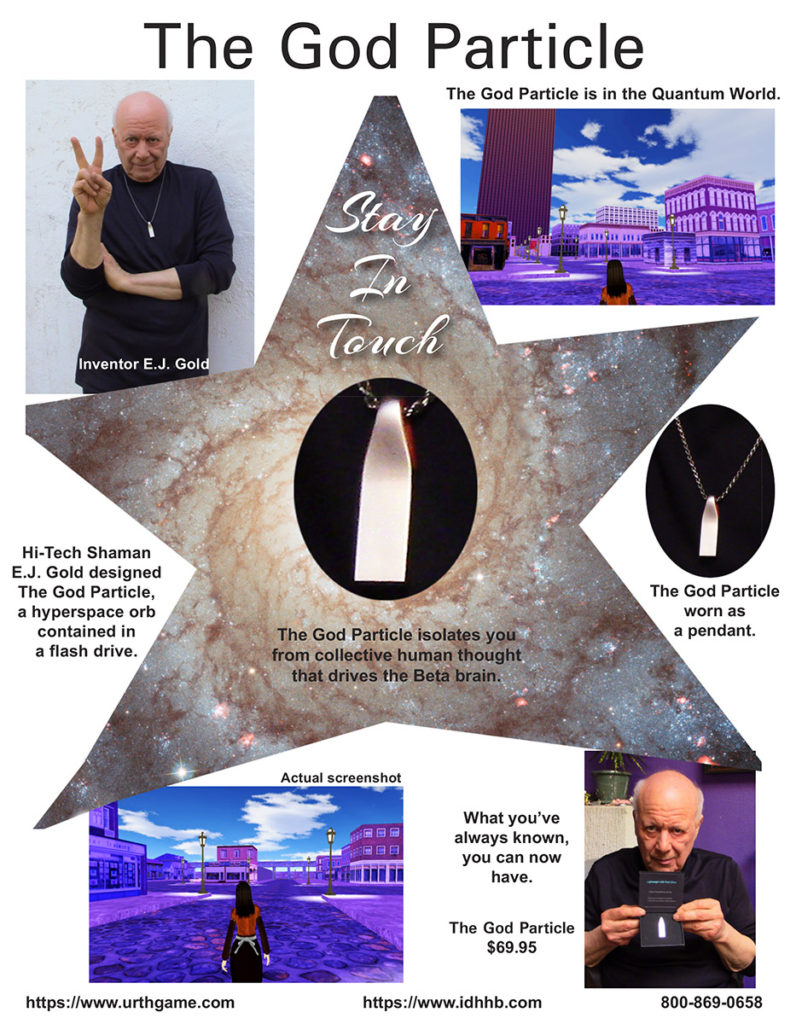
This is a success story we need to get in place, quickly, before it’s really too late. We will need to work hard to get Godd™ Particles out there, while we still can.
There are dozens of reasons why we will be stopped from production and shipping, such as truck strikes, Chinese export stoppage, rate hikes and religious clampdown on non-Christian and “subversive” publications and artifacts.
It is an age of intolerance. Better batten down the hatches, and the only way YOU can do that at this late date, with NO resources and NO hope of escape from the trap of daily grind, is to WEAR, SELL, and PROMOTE Godd™ Particles hand-over-fist, meaning “sell a LOT of them FAST!”
Yes, those are the kinds of headlines I want to see coming out of the New York Times, the Washington Post, Reuters and other news agencies — that PEACE has broken out all over the world!
Do I actually expect such a thing to happen? Yeah. I do, and I’ll tell you why I’m so sure that it will happen, and soon — it’s because science.
“Because Science” IS the answer. Continue reading
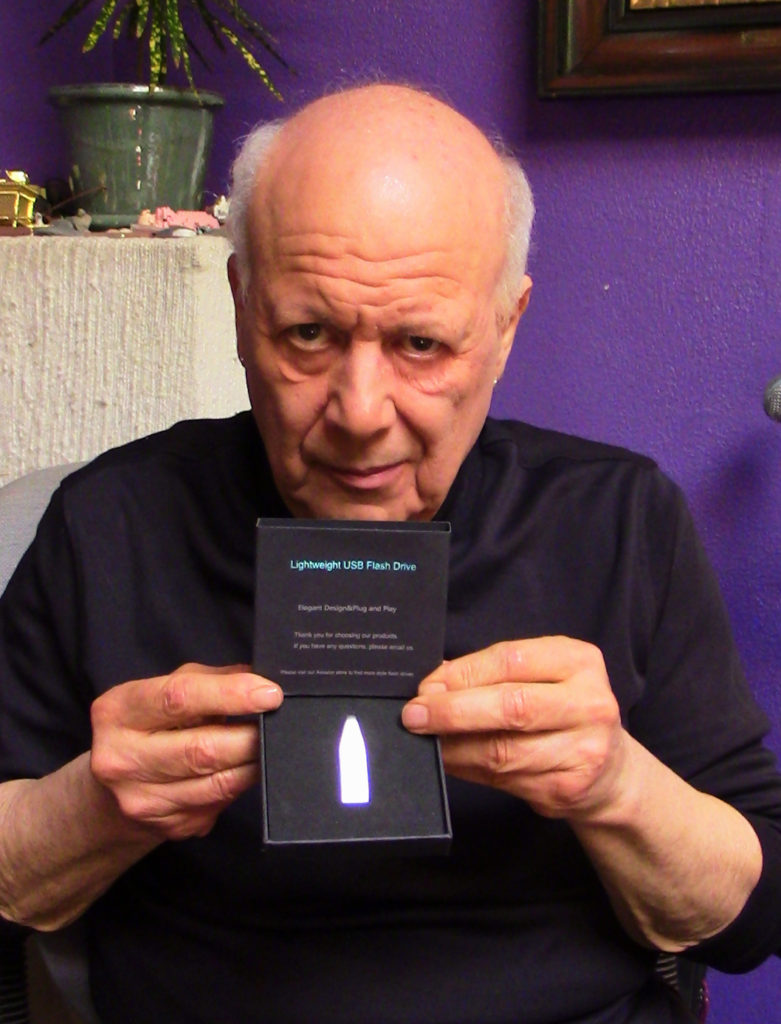
“Why should I spend all my waking hours selling Godd™ Particles?” you ask. Fair question, and I’ll do my best to answer it.
Even if you were giving away FREE chocolate chip cookies on a street corner, if you didn’t have the customer’s trust, they wouldn’t accept the free cookie from you.
It’s not just cookies. It could be a new cheese sensation on a cracker, handed out in a busy shopping mall.
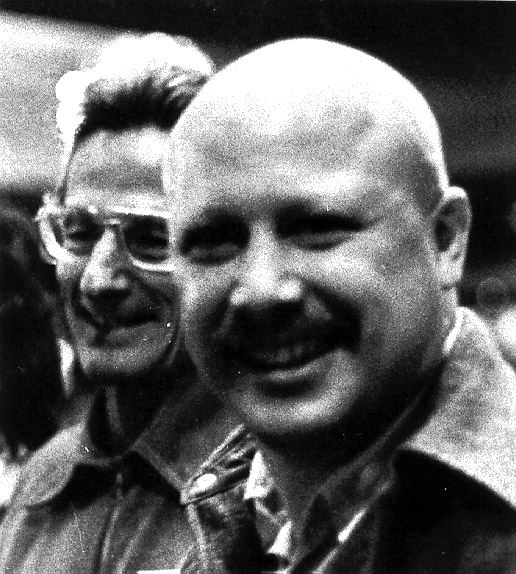
That’s John and me at some public event in the 1970s. We were in constant contact over the decade from 1967 through 1978.
Back in the early days, I’d walk over to Burgess’ house with them, or sit with Toni and her circle — yes, she had her own circle — while John floated or wrote a chapter in his latest book.
We did a short 16mm film about floating, but John and Toni were advisors, not film stars — I’ve no idea what happened to that film, but it showed some of the improvements on the tank.
John enlisted my aid in working with Dr. Hershel Toomim. He needed a reliable Alpha/Theta source to test his biofeedback gear, and I gladly spent several days in his lab with John supervising the whole procedure, making sure we had it right.
“John took father’s shoe bench out, meet me by the lawn,” I intoned — who didn’t know that magic formula at that time?
Discussion on couch near juice bar under skylight, “Sturgeon’s Law says 90% of everything is bullshit” floats through the atmosphere.
“Yeah, says Toni, “but that doesn’t guarantee that the other 10% isn’t bullshit.”
“Adrift in an ocean of uncertainty,” John was saying as he approached the group. We all got up and went outside to the sunning area, a small spot of lawn and furniture. Toni lay back in one of the chaise longues, and said “A drop of improbability in an ocean of uncertainty,” and John said in that characteristic deep soft growl, “We’ll have to work on that.”
John spoke eloquently on the absence of speech, sense and sensibilities, then we had lunch at the kitchenside bar.
“I’m going back in the tank,” John said over his shoulder. “Improbability cycles are tight.”
“See you at dinner,” Toni’s friend tossed out into the living room area.
“Very possibly,” John nodded, vanishing around the nearest corner.
See You At The Top!!!
gorby

Here’s a little vintage retro style videogame I’ve just put together. If you’d like to see it out there, let me know, but there’s plenty of marketing and promotion to do if you want to go with it — otherwise, let’s leave it as a private joke.
Meanwhile, how about these new items for your Godd Particle fair booth or shop kiosk?
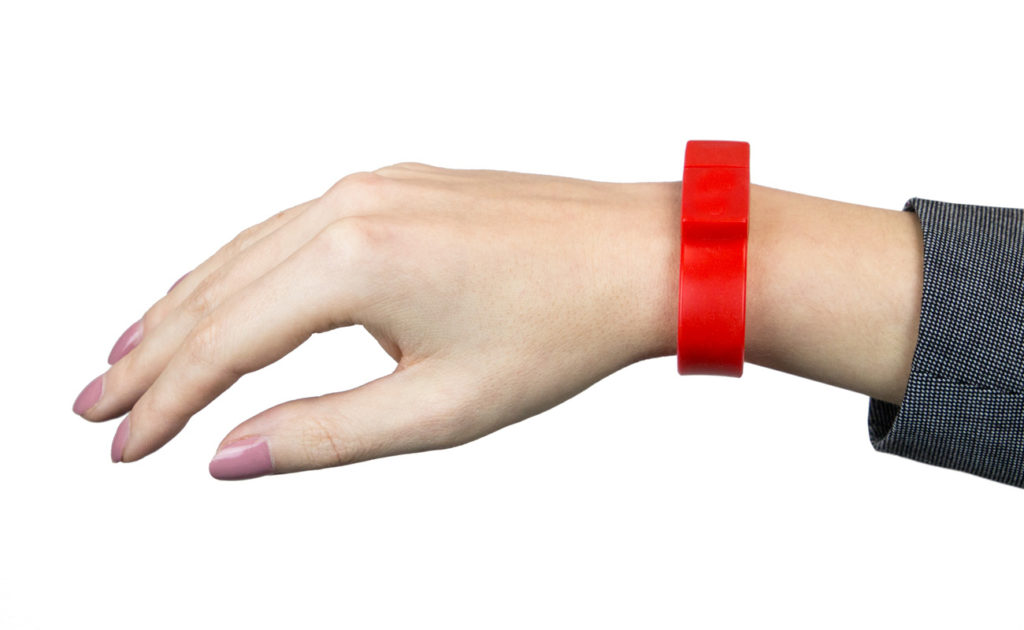
This is a different kind of band than the other one. It is thinner, and will carry the logo on the box, not the band part.
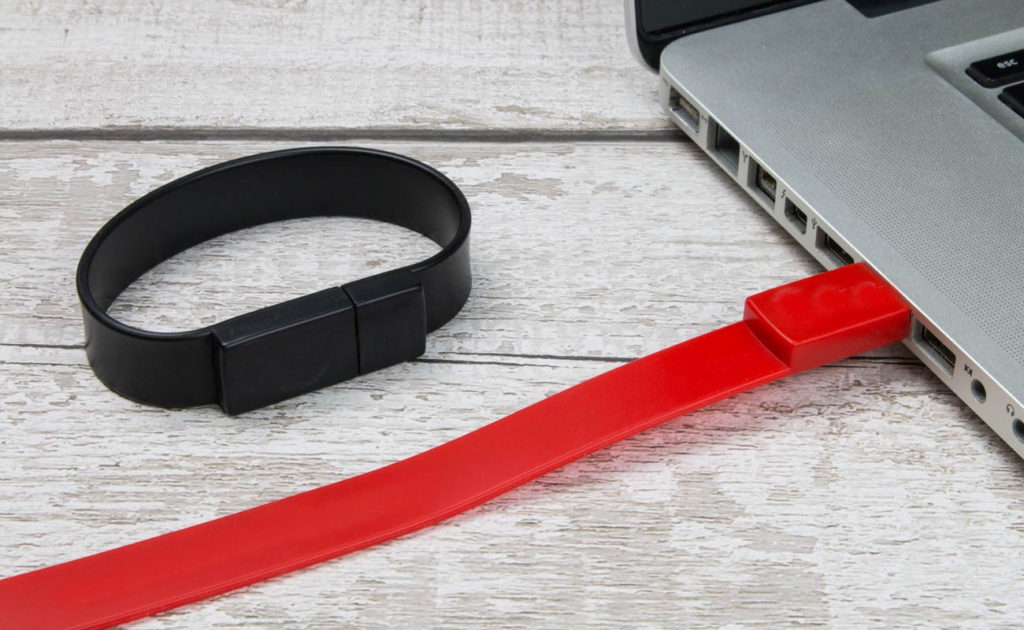
It’s easy to plug in, and handy to carry on the wrist. You can actually play the orbs loaded onto this wristband, and you never have to wonder where it might be at the moment. It’s either on your wrist, or in the usb port.
You can use this item for hospital visits, bedside, passing rituals and more, and it makes the greatest gift item. You should be able to sell multiple units to buyers, if you point out that it makes a terrific gift that anyone would appreciate.
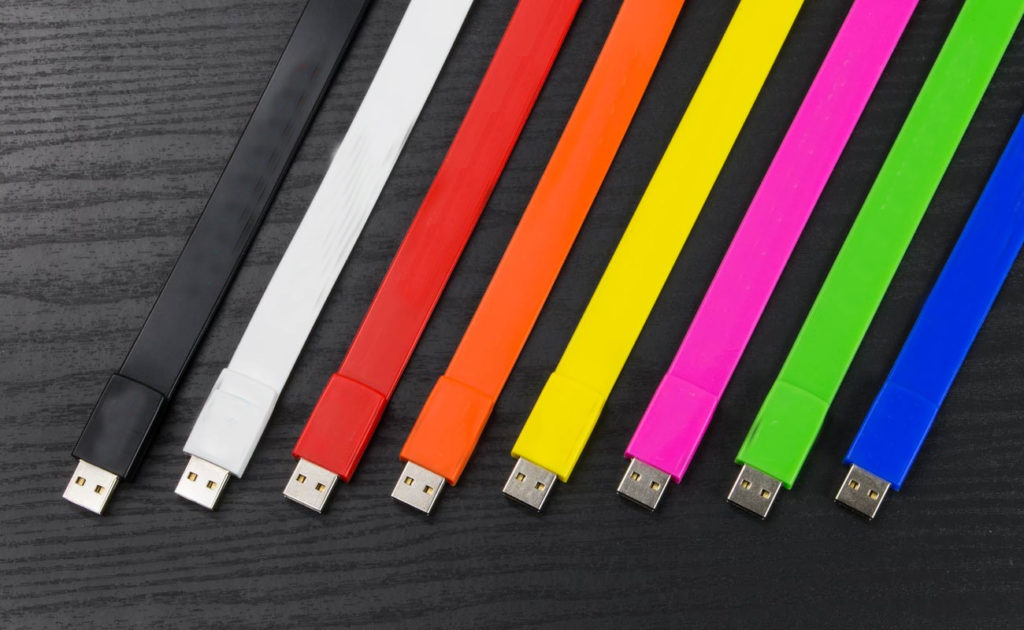
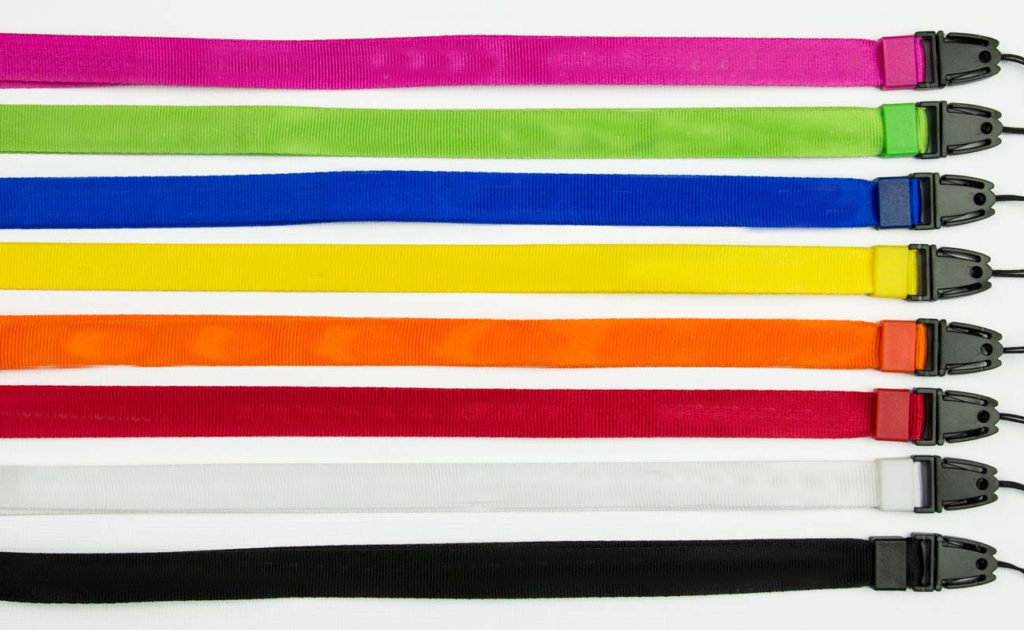
The thin band comes in eight colors, two of which are white and black. Please notice that they correspond to the Six Radiations of the Bardo. This makes them extra potent, and the colors attract buyers to your booth.
Keep in mind that these can be branded as Instant Radiance Beauty Boosters as well as Godd® Particle Technology!
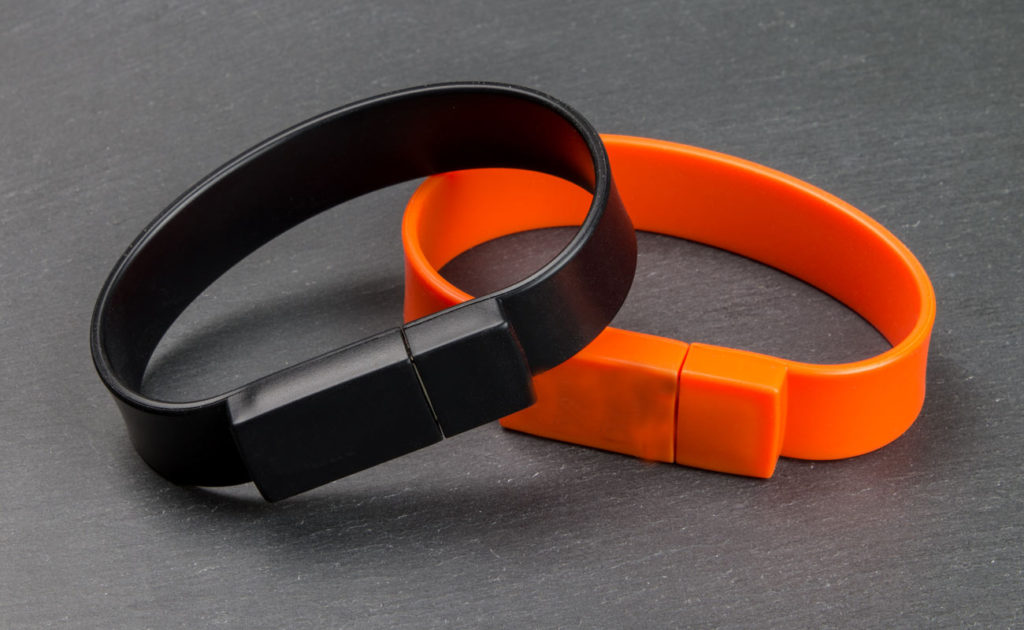
Of course these can also be labeled and branded as “My Meditation Space” bracelets, where you can carry your happy place with you wherever you go.
The deals are simple:
You get a RESELLER’S PACK of any item of your choice, consisting of 10 bands at $20 wholesale per unit, for a total of $200 for any pack of 10 in a single color.
I will at some point be able to offer a “Rainbow Pack” of all 8 colors of both types of wristbands, but at the moment, you have to order at least ten of a single color if you want anything other than black.
You can order any number of GODD PARTICLE Maple or Waterproof Editions at $20 a unit.
The Godd Particle Technology suggested retail is $39.95. The official wholesale price is $20 a unit.
The color strap costs an extra buck. You can use any form of string or thong or cord, and not everyone prefers the straps — it’s just an easy and colorful way to get someone to try it on, because it slips over the head without having to struggle with a clasp.
You can also offer the Maple Godd Particle to be held in the buyer’s hand.
“Notice the vibes,” you might suggest. “How many would you like to take home with you?”
If you’ll give this a try, I think you’ll agree — there’s no reason you couldn’t sell a million of them. So go do it.
See You At The Top!!!
gorby
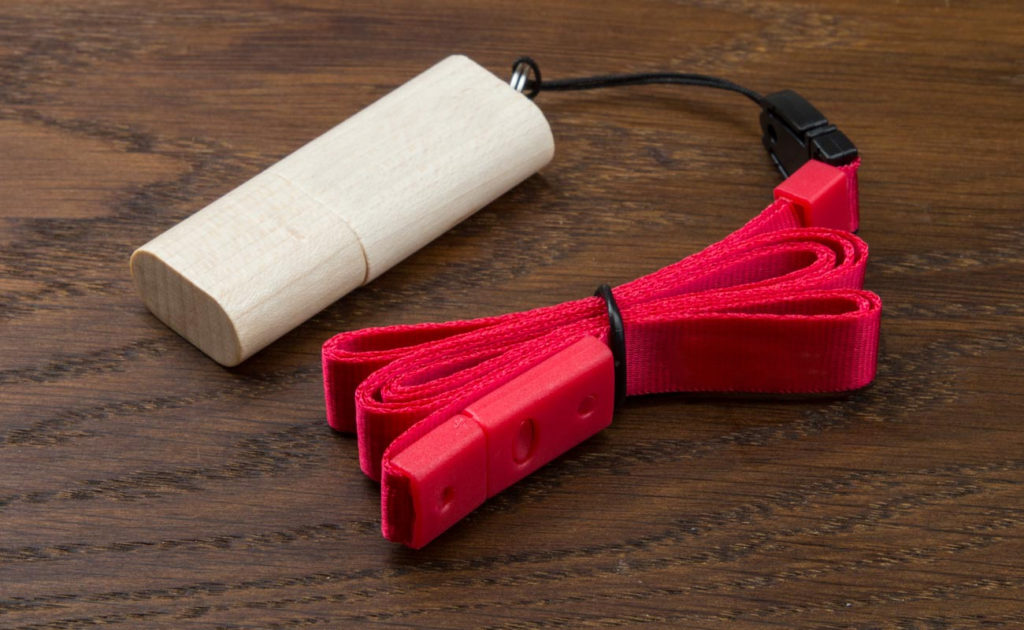
This is the Natural Wood Godd Particle charm with strap — the straps come in many colors.
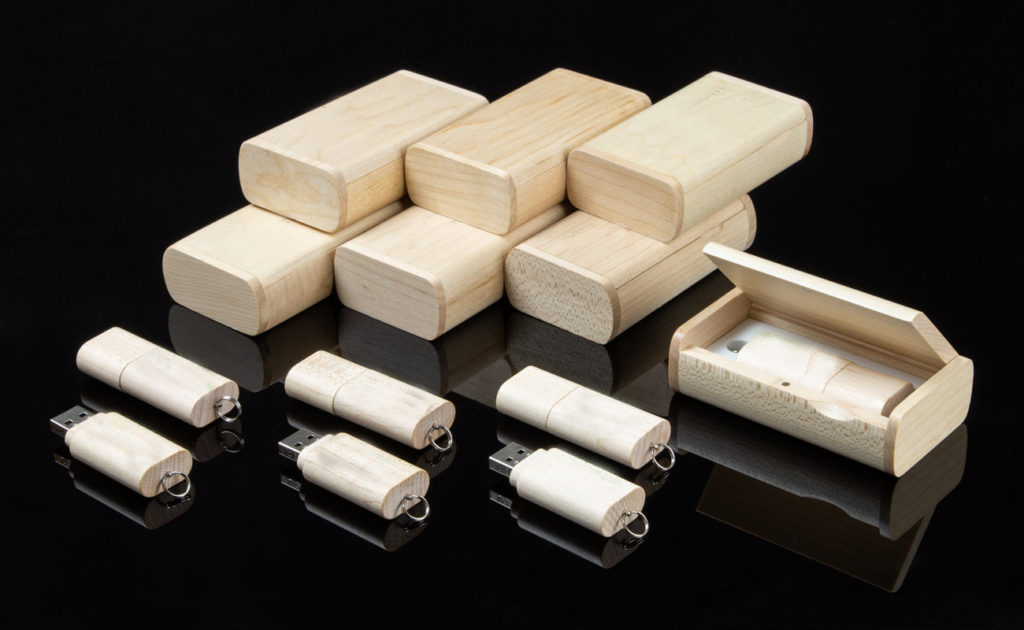
They can be purchased with carved hardwood presentation boxes.
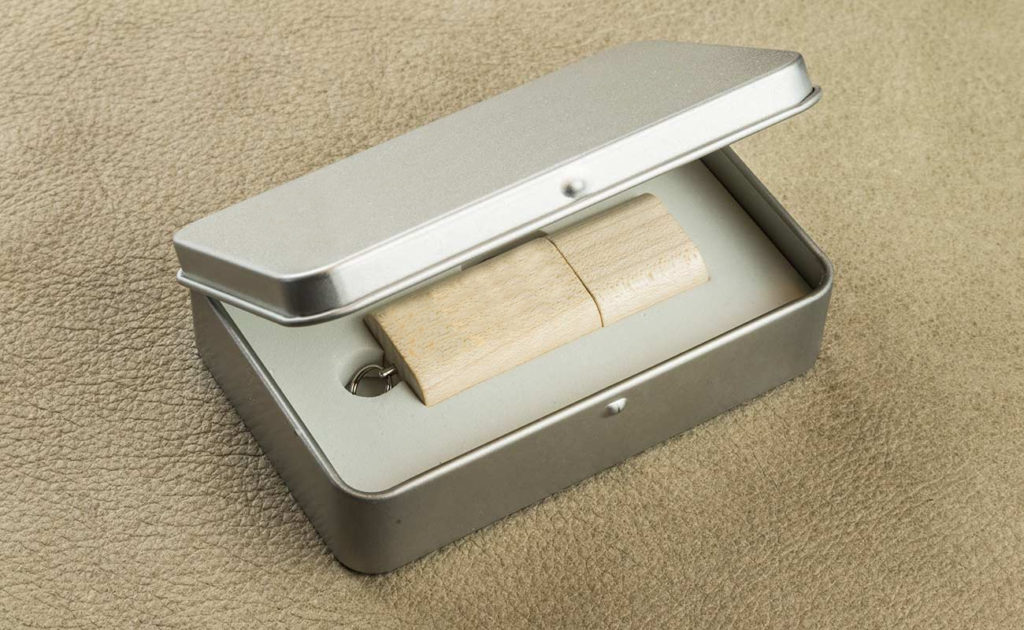
You may decide to use the vintage style tin presentation box.
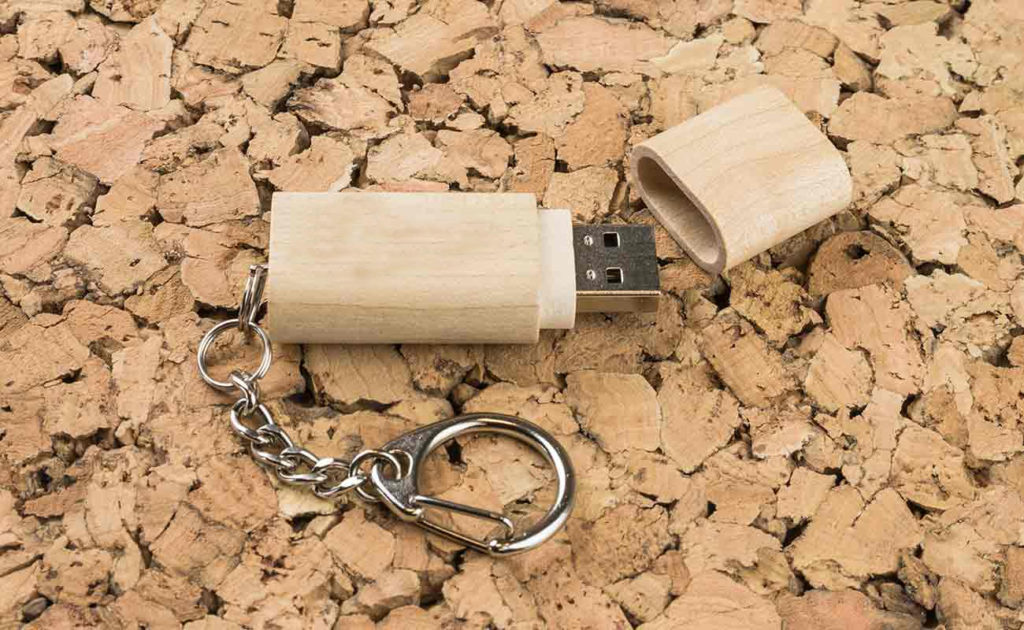
This keyring model is destined for rough wear and frequent use in a laptop.
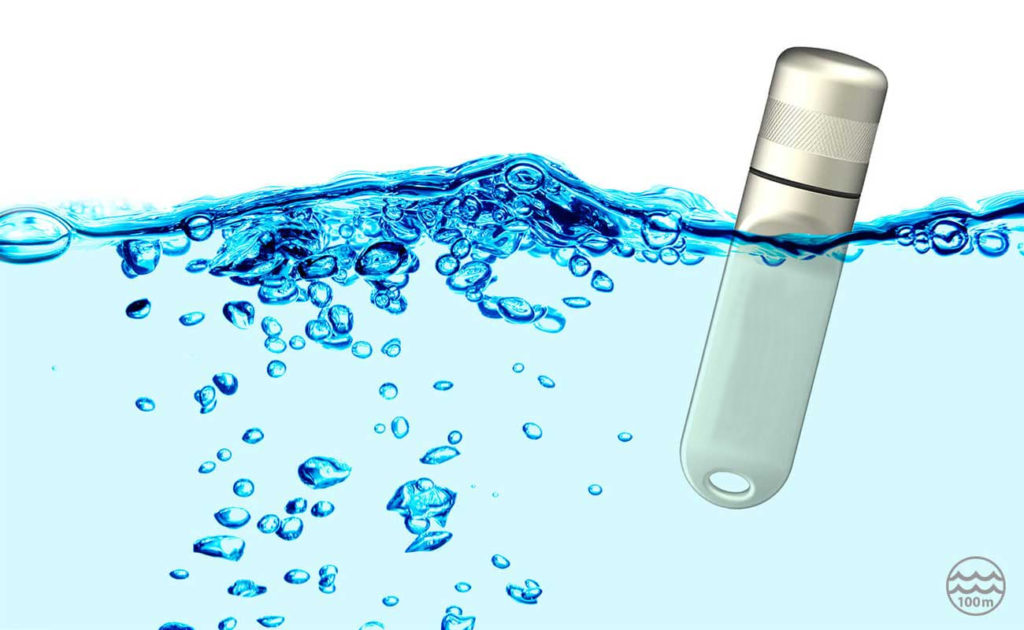
The Waterproof Godd Particle is great for humans and pets! Can be attached to collar.
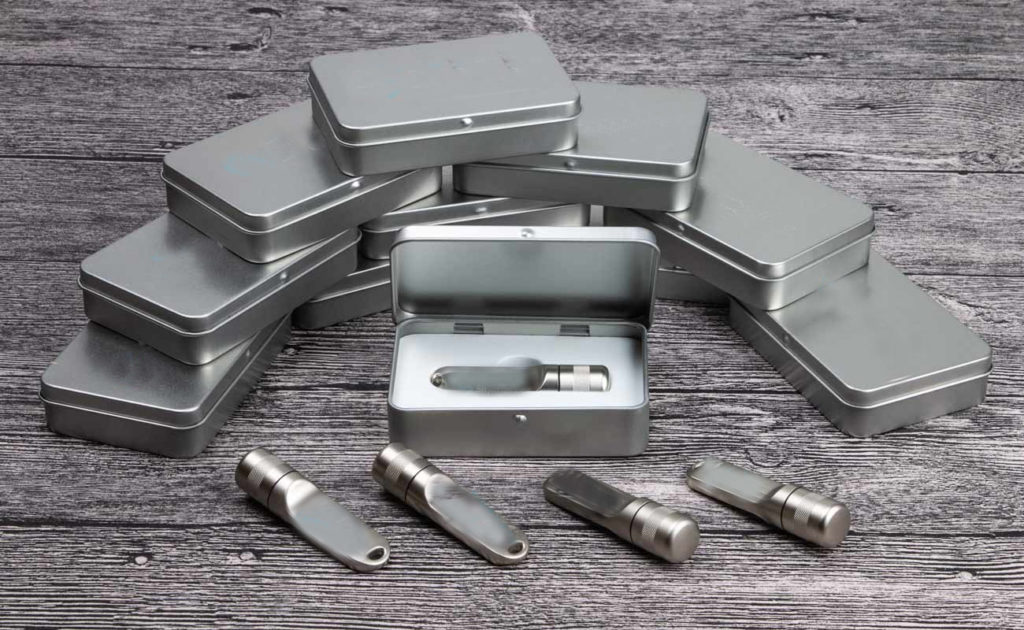
The Waterproof Godd Particle can be made with an extra cost vintage tin presentation box.
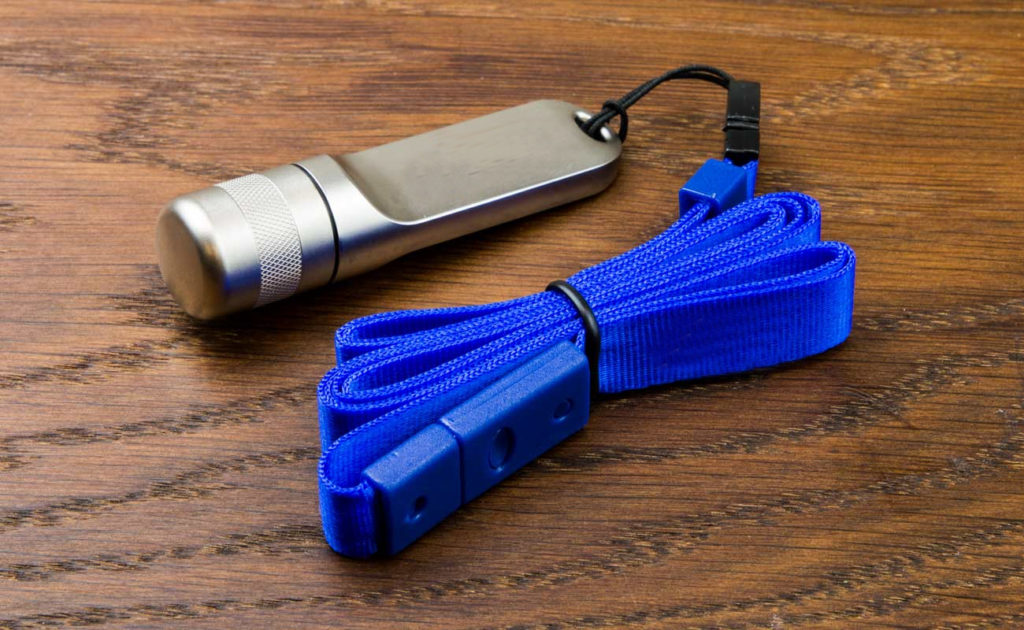
You can get a color band for your “selfie test” presentation salespitch, making it easy to get over someone’s head for a tryon and selfie.
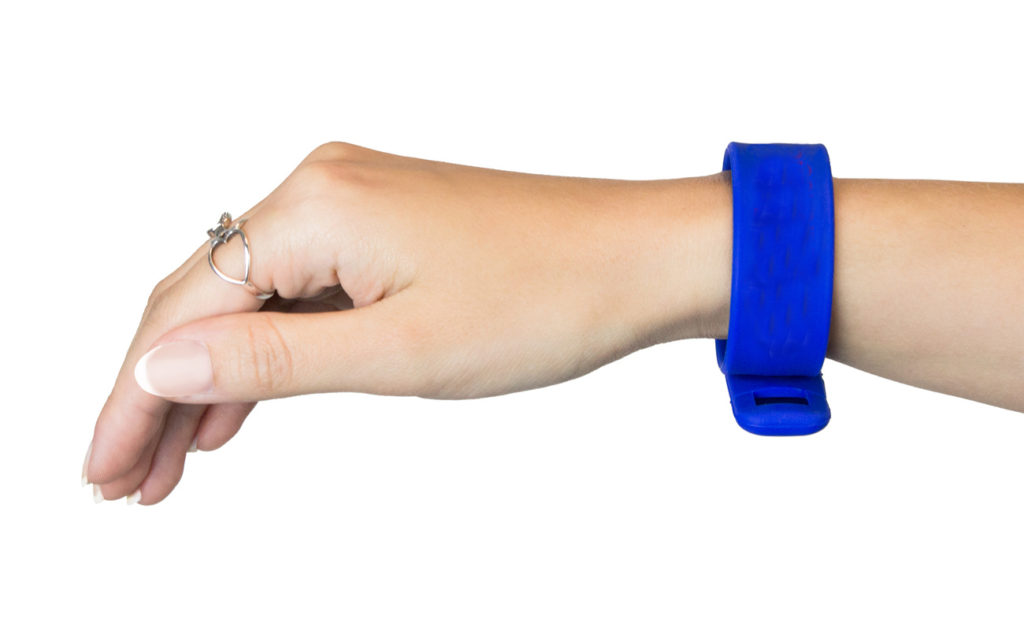
Of course there’s a Wristband Model, that you can use on both wrists, both ankles, plus a central pendant, to totally empower your MOVEMENTS exercises.
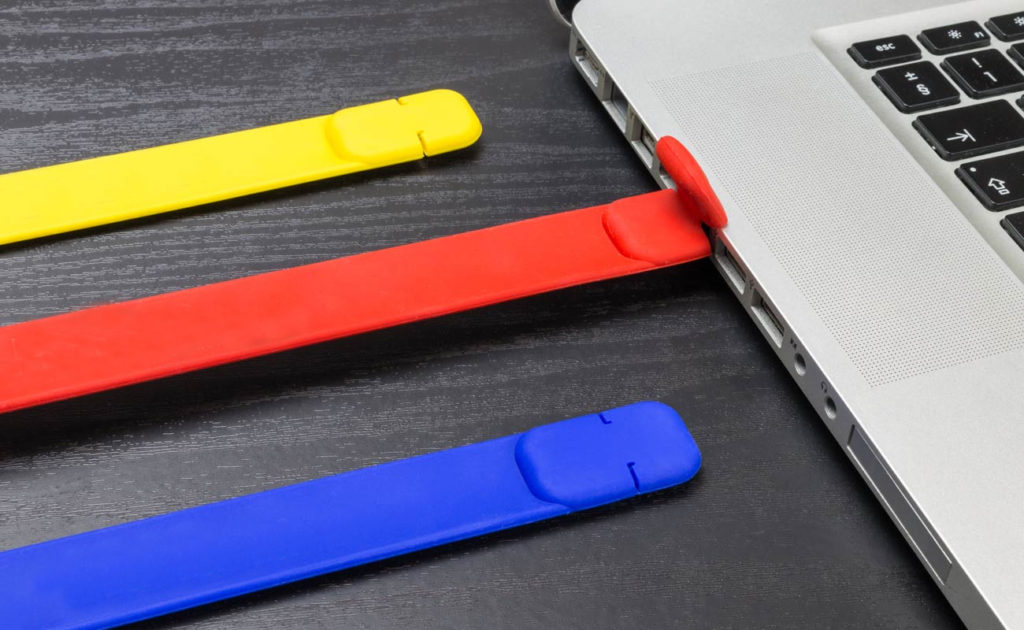
Notice how easily the Godd Particle Wrist Band fits into a laptop — great for school!
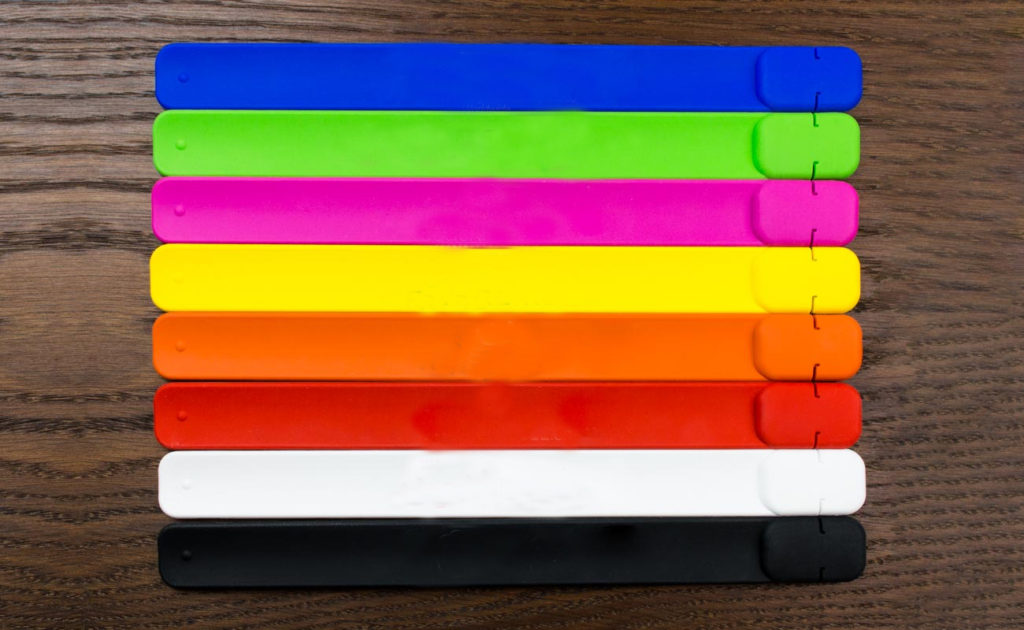
Look at all the colors you can get for your Godd Particle Technology Wrist Bands!!!
I’ll post more about all these exciting new Godd Particle products as time permits — we’re making them and shipping them right now, today, so get on the bandwagon and get these Godd Particles out there!
See You At The Top!!!
gorby
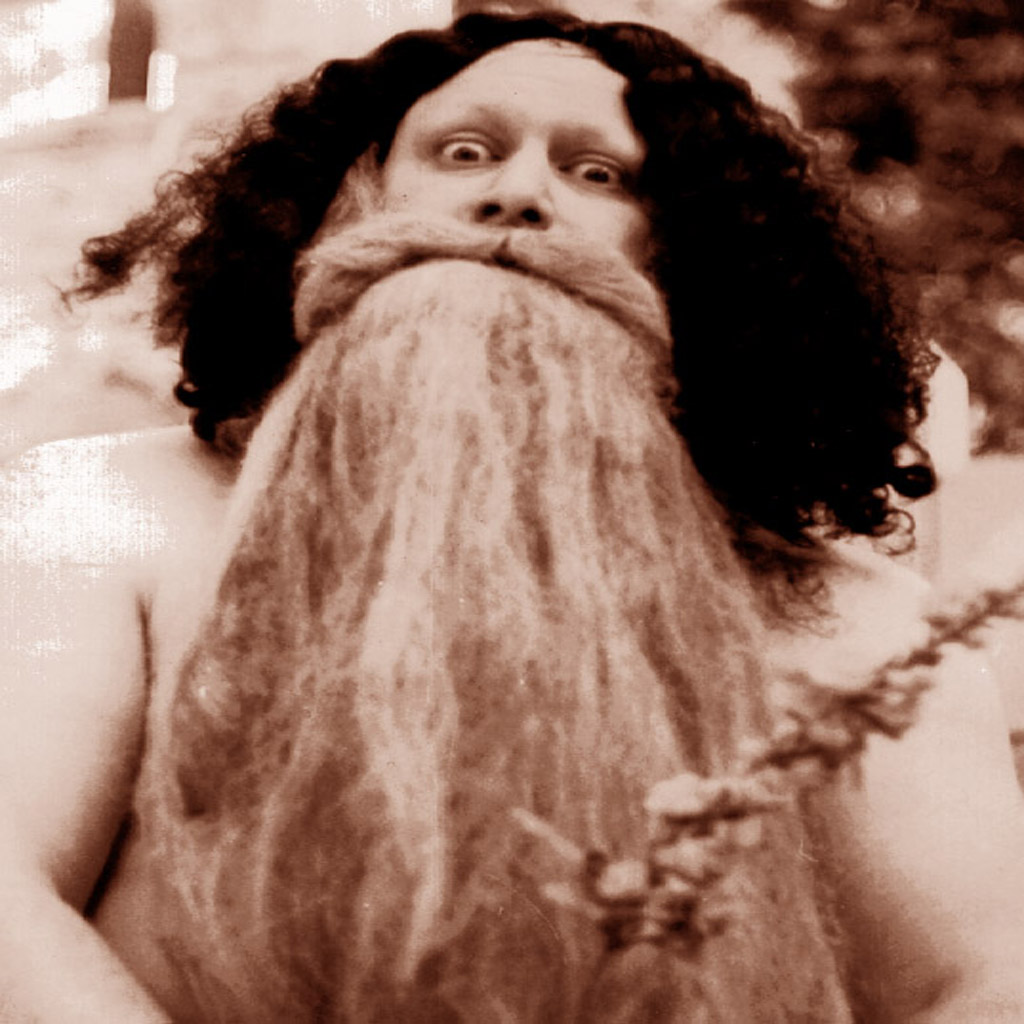
My latest invention, the “God Particle Instant Radiance Beauty Booster” is now available. It works on the simple “Selfie Test”.
As you will see, the face is softer, which is a direct result of wearing the God Particle. Years of worry will vanish. The weight will come off. The energy will come back. The back will stop hurting so much, but mostly the Inner Radiance will come shining through, and that makes anyone look better, and don’t forget — spiritual values aside, it’s not how you feel, it’s how you look.
But the God Particle will also make you feel better, so there’s a double bonus! Get more than just a moment of Freedom. Make Freedom a habit.
Now order a bunch of these wholesale and get out there with the God Particle! You have a wide choice of types of wearables you can sell or resell.
You can also manufacture your own GP jewelry with a license agreement, to avoid shipping costs, import duties and other inconveniences, such as time factors — what if you need a thousand of them tomorrow?
When I don’t have to make them, and you license the God Particle productions and make them yourself wherever you are, you insure that the God Particle technology will persist, at least in your neighborhood.
Although there is a LOT of money to be made with the God Particle, I hope that it isn’t about money — it’s about helping people get over their fear of God and their resistance to Divine Help and Guidance.
When the Guardian Angel is invoked, things are better. When things get better, people get radiant, confident, happy and good-looking, and that’s the real secret behind Inner Radiance Beauty Boosters!
You don’t sell these things. You get people to generate their own personal evidentiary proof by taking two selfies with their own cell phones, and comparing the results for themselves.
Selling doesn’t get any easier than that.
Best of all, you can decide the price points that are best for your hometown and your circle of friends — when you license, you control all the expenses except the royalty for use of the software, which is so low, you won’t even notice it.
Make money by expanding the circle. Simple as that, and don’t feel at all reluctant to make money — you’ll need a lot of it to be able to afford what I’m going to have to do to your house to make it a candidate for Architectural Digest and Vanity Fair.
Hey, no kidding — this is the easiest “sell” in the world — beauty and personal radiance always sell, like Griswold Armor with 3 Open Sockets, you won’t be disappointed.
People will pay anything to look better, and I’ve got an Inner Radiance DOGGIE Tag for the MVP in the family — the dog, cat or other pet, any pet that typically wears a collar, or is willing to endure one for the sake of personal adornment.
I have a GENUINE DIAMOND, EMERALD, RUBY or SAPPHIRE Beauty Booster for pets, as well as a $175,000.00 18 karat granulation and high-grade Emeralds necklace — maybe you can get Tiffany’s to feature the product in their 5th Avenue shop this Xmas?
There isn’t a pricetag that you can create that is too high a price to pay for real, actual improvement of the face and figure, and the God Particle puts that in YOUR reach right now, today — get in touch!
Work out a deal and get involved today! Make a fortune and spread it around where it will do the most good!
At the same time, you’re earning Merit for your next journey! Keep the Faith!!!
See You At The Top!!!
gorby