How to Create a Digital Singer-Songwriter
Building a digital artist isn’t as complicated as it sounds. At its heart, it’s just a blend of imagination, music, and a few modern tools.
Start with the Character
Decide who your artist is. Not just a name, but a personality. Are they grounded or otherworldly? Playful or serious? This identity will shape everything—the voice, the lyrics, the style.
Projects like Gorillaz and Hatsune Miku show how powerful a clear persona can be.
Create the Voice and Music
Write simple lyrics, then experiment with different musical styles. Tools like Suno AI let you generate full songs quickly.
Try the same lyrics in multiple genres. One version will “click”—that’s where your character starts to come alive.
Find the Sound
Pay attention to what fits: certain rhythms, moods, or instruments. Over time, these patterns become your artist’s signature style.
Add a Visual Identity
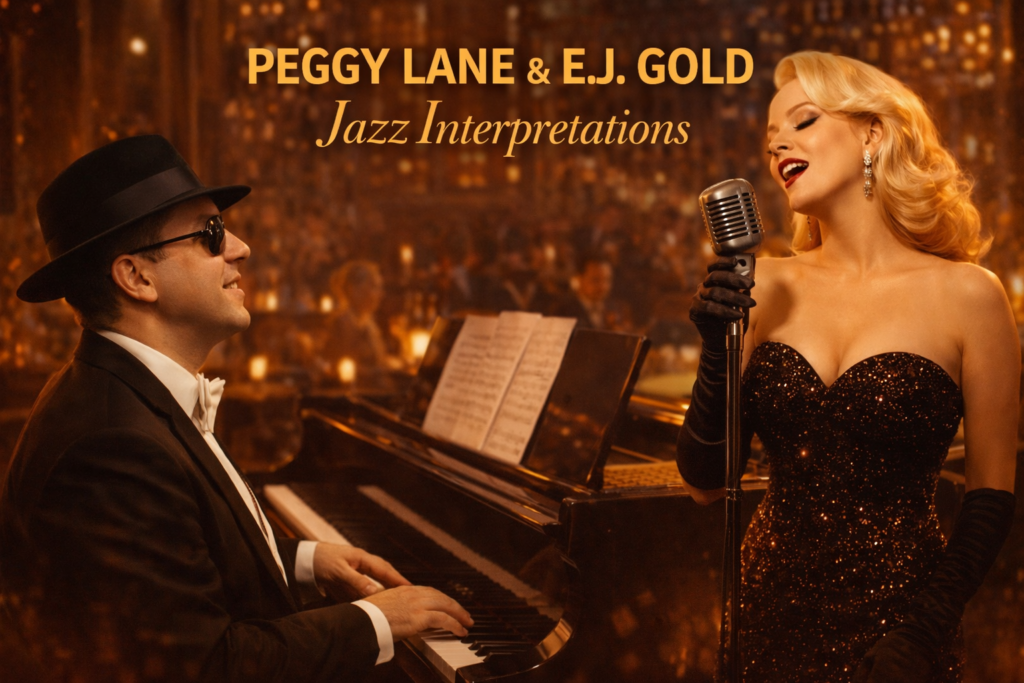
Give your artist a look—album art, simple videos, or even a singing avatar. Platforms like Hedra can help bring a static image to life.
The visual side helps people connect with the music.
Release and Evolve
Don’t wait for perfection. Share small groups of songs and let the character grow naturally. Each release adds depth.
Use It as a Creative Tool
Once established, your digital artist becomes a kind of collaborator. You can explore ideas through them, test styles, and even surprise yourself.
In the end, you’re not just making music—you’re creating a new kind of creative partner. And that can open doors you didn’t even know were there.
===========================================================================
When One Becomes Many: The Digital Artist as a Creative Ecosystem
Once you move beyond a single digital singer-songwriter and begin creating multiple characters, something important changes. What started as a tool becomes a system.
Each character develops its own voice, style, and emotional range. But more than that, they begin to relate—to contrast, complement, and even “respond” to one another. A single lyric can take on entirely different meanings depending on who sings it. A theme explored by one artist can be deepened or challenged by another.
This is where the work begins to resemble something larger than music production. It becomes a kind of creative ecology.
Projects like Gorillaz hint at this idea through distinct personalities within a single band. But with a broader cast of digital artists, the possibilities expand dramatically. You are no longer limited to one perspective or one sound—you are shaping a field of perspectives.
In this space, each character can embody a different quality: clarity, humor, longing, discipline, transformation. Together, they form a kind of living library of expression. Music becomes the medium through which these qualities interact.
Practically, this approach offers remarkable flexibility. You can explore multiple genres without losing coherence, revisit the same idea through different lenses, and maintain creative momentum without repetition.
But the deeper value is this: you are no longer creating songs alone. You are orchestrating a conversation.
And in that conversation, something new can emerge—something no single voice could have produced on its own.
==========================================================================
This morning at our zoom meeting, we’ll be exploring the digital performer concept.
===========================================================================
Hoi, it’s the Bardo bus!
===========================================================================
See You At The Top!!!
gorby