More DJ Stuff for You

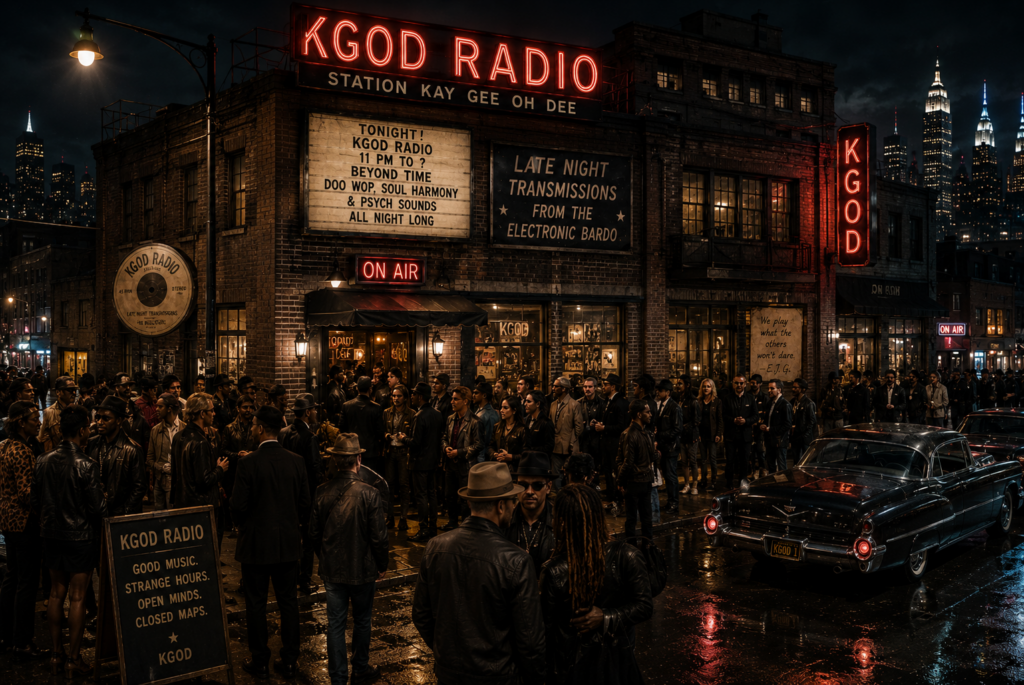
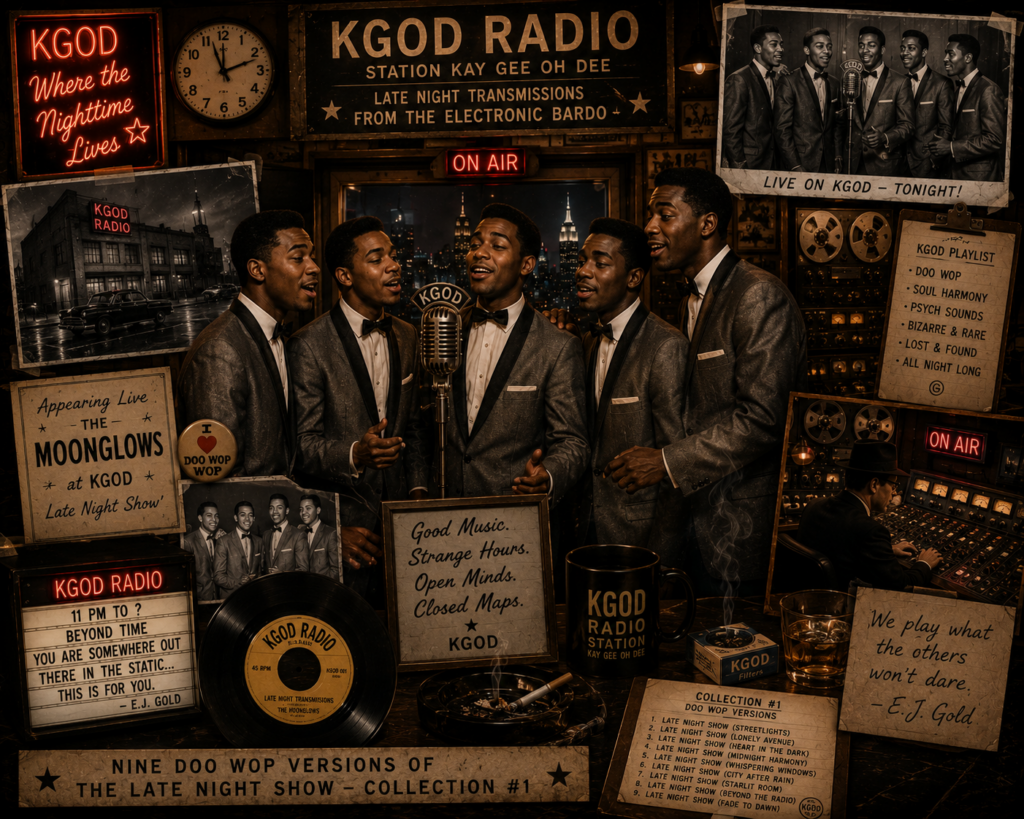
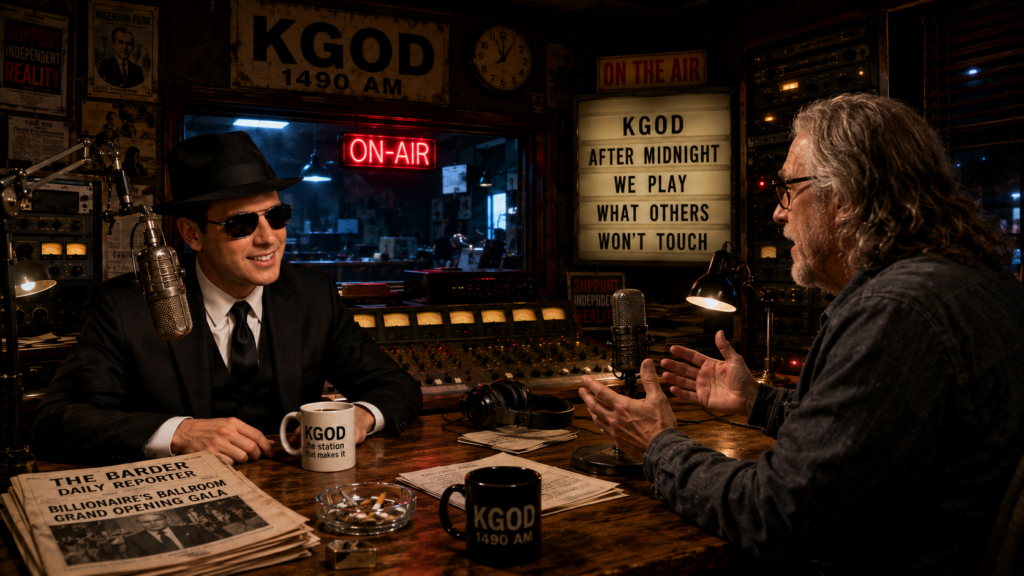
Okay, what I’ve done is I made a solid script, like the kind I used to write as continuity for my friend Bob Crane, the morning man at KNX radio, where I worked in the mailroom.

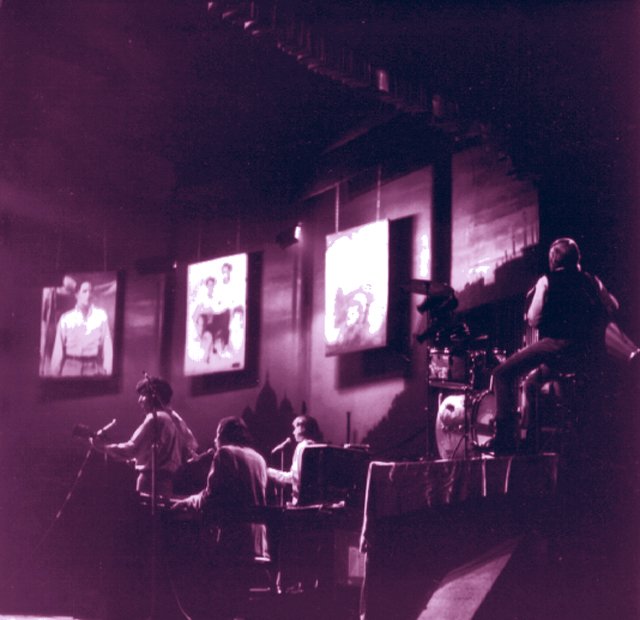
The photo above was snapped one of the many times I appeared — in a variety of roles — on “Tempo”, a television show on KHJ-TV in Los Angeles, hosted by another friend — Richard (Dickie) Dawson. Dawson sported a beard at that time. Continue reading

Lettuce, Turnip & Pea

We’ve been experimenting with a simple idea in our morning Zoom meetings: letting participants step into a light-hearted DJ role for a few minutes.

This isn’t about being a radio pro. it’s about giving the music a frame and giving listeners a voice. instead of just hearing songs, people introduce one or two pieces with a short intro, play the track, and then add a brief outro — sometimes a thought, sometimes just “that was it.” that small act changes how the music lands. Continue reading

Why the Same Song?

Normally, the jock is going to play an assortment of songs to attract listeners. But after a while, you’re going to introduce the idea of multiple arrangements for a single song, and you’ll play the same song over and over again?

“Why do we play the same song over and over again?

Fair question. The short, friendly explanation:

“Well, we’re going to hear the same song a bunch of times — but it will sound completely different with a different band and arrangement, and in fact, each time, it’s a different band, a different singer, a different angle or facet, like the facets of a diamond.

The song stays the same — it’s the same lyrics, but it sounds totally different, and you hear each version differently. You’ll hear parts you didn’t get before, and words you’d swear weren’t there before. Continue reading

What’s the Big Secret?

my spring line is about to launch on the catwalk.

The ancients didn’t think poetry and music were “expressive.” they thought they were operative, part of magic, shaman stuff.

The big secret (which wasn’t secret back then)

Song, poetry, chant, and rhythm were understood as technologies of state change.

not entertainment.
not self-expression.
not even art, the way we mean it now. Continue reading