
ZOOMSHOP – Egyptian Faience Earrings

cleopatra15

Your Genuine Ancient Egyptian 26th Dynasty Tube Bead Copper Earring Set is strictly limited. Your set is one of only 35 sets total, made from this hoard of totally authentic guaranteed genuine ancient Egyptian Faience Tube Beads and modern copper.

PLEASE NOTE: Ancient Faience Tube Beads are DELICATE. They cannot be subjected to pressure, and are subject to damage from water, mis-handling and other environmental accidents. In this Project, you learn to deal with the fact that these ancient ceramic beads are very, very delicate and must be handled and worn with care. Continue reading
ZOOMSHOP – Powerful Radio Crystal Earrings

x
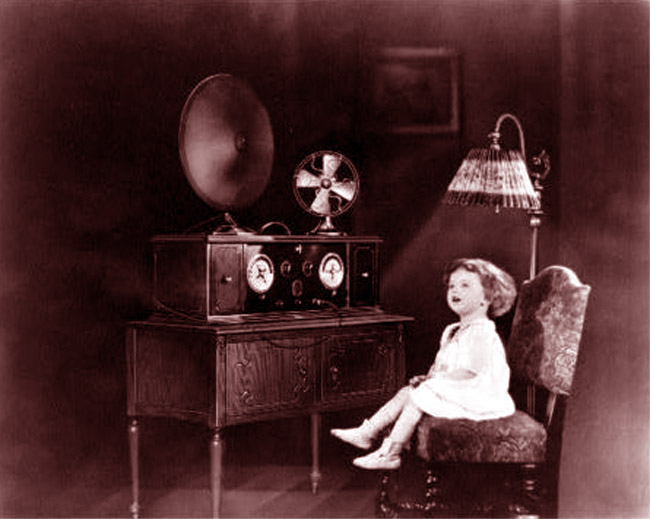
LeslieAnn listening to her crystal radio set back in the early days of radio on Planet Urth.

This is the most powerful ancient style Copper Earring Set you’ll ever buy. Here’s what you should have received in your kit — check each item off this list to make sure you have everything you’re supposed to have in the kit:

  1.  Two Rough Uncut Radio Crystal Beads in a separate ziplock bag.
  2. Four copper “donut” beads.
  3. Four fancy faceted copper beads.
  4. One ziplock bag with FOUR 6″ long .20 gauge copper wires from which you’ll make the hand-made ear-wires, the crowning touch of a fine set of ancient style earrings.
  5. One ziplock bag with TEN 1 1/2″-2″ .20 gauge copper wires to be made into paddles.
  6. One ziplock bag with TWO French-Style gold-color SURGICAL STEEL earwires.

Continue reading

ZOOMSHOP – Royal Hellenistic Earrings

x
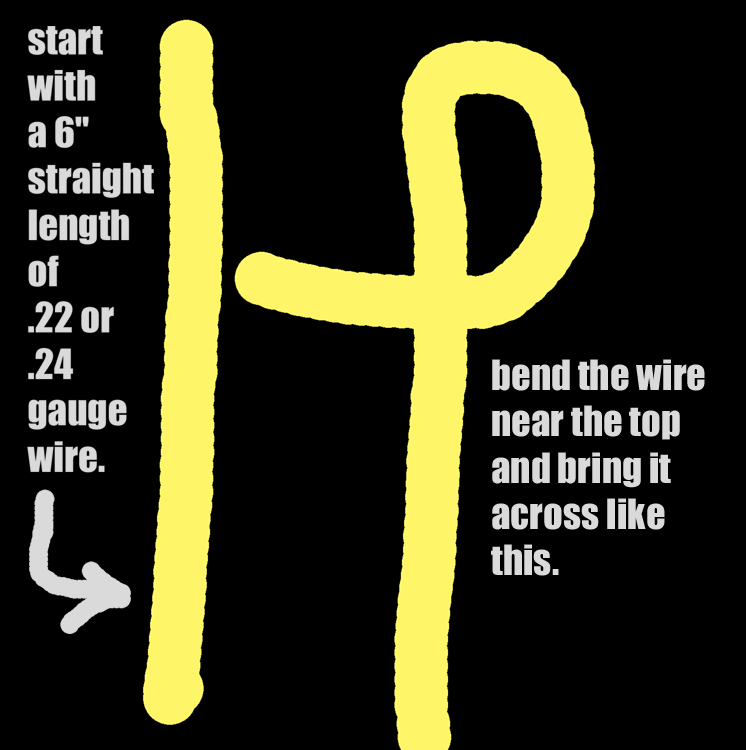
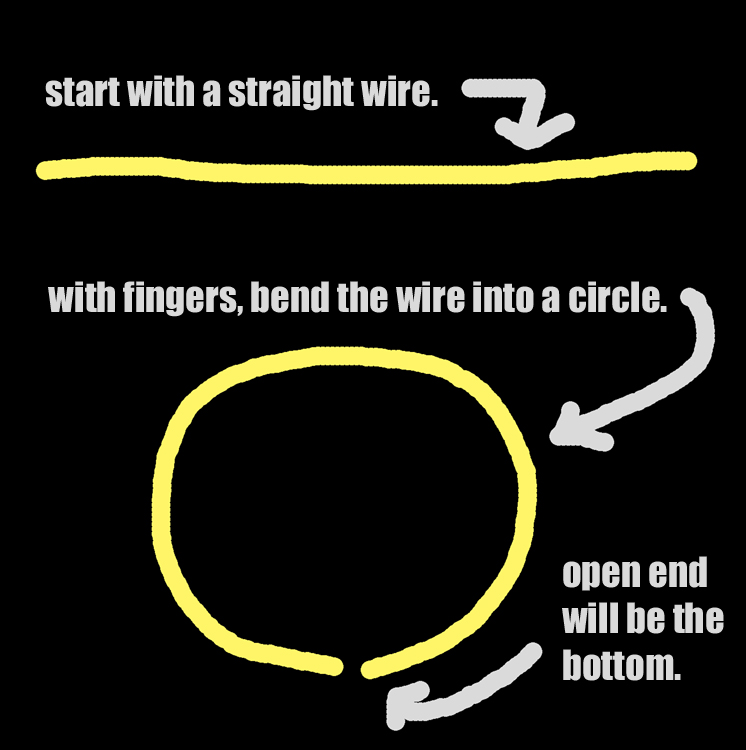
Start out with a 6″ straight .22 or .24 gauge wire.

The first choice comes when you select two stones for your Hellenistic earrings. Try the .22 gauge wire first. Gently push the wire through the drill-hole in the bead to see if it will work. If EITHER bead is reluctant to accept the .22 gauge wire, switch to the much thinner .24 gauge wire.

The Greeks, Romans, Egyptians, Sumerians and Babylonians were incredible builders and engineers. This earring depends upon a bridge-engineering discovery they made many tens of thousands of years ago, that translates into bead technology as: a vertical wire will support a bead better than a horizontal wire. Continue reading

ZOOMSHOP – Iron-Age Pendant

x
Pendants are built from a single piece of wire.

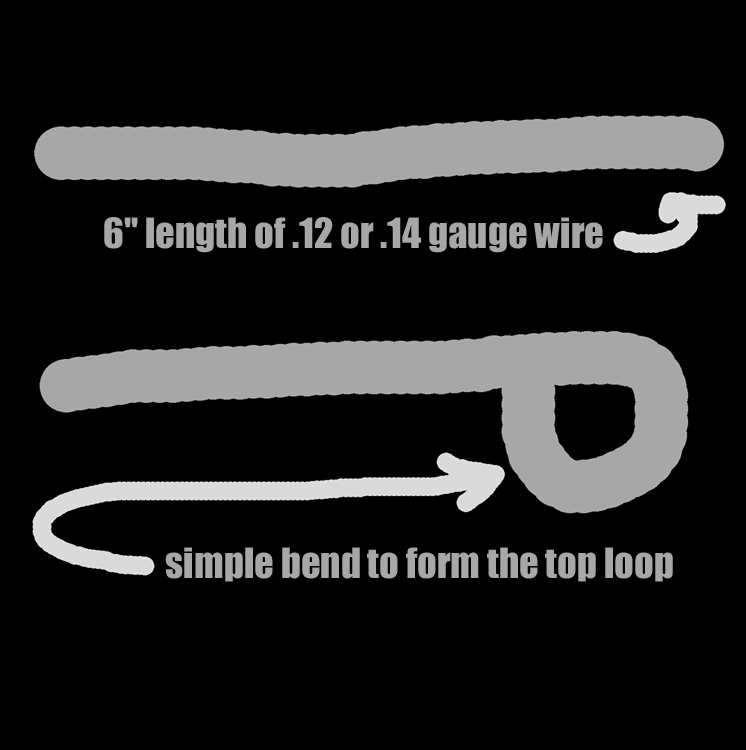
It’s easy to make a pendant from a single piece of wire. Later, we’ll see how to use several pieces of differing dimensions to create a more complex form, but here’s the simple solution to a real Iron-Age Pendant.

Start with a 6 inch length of .12 gauge or .14 gauge wire.

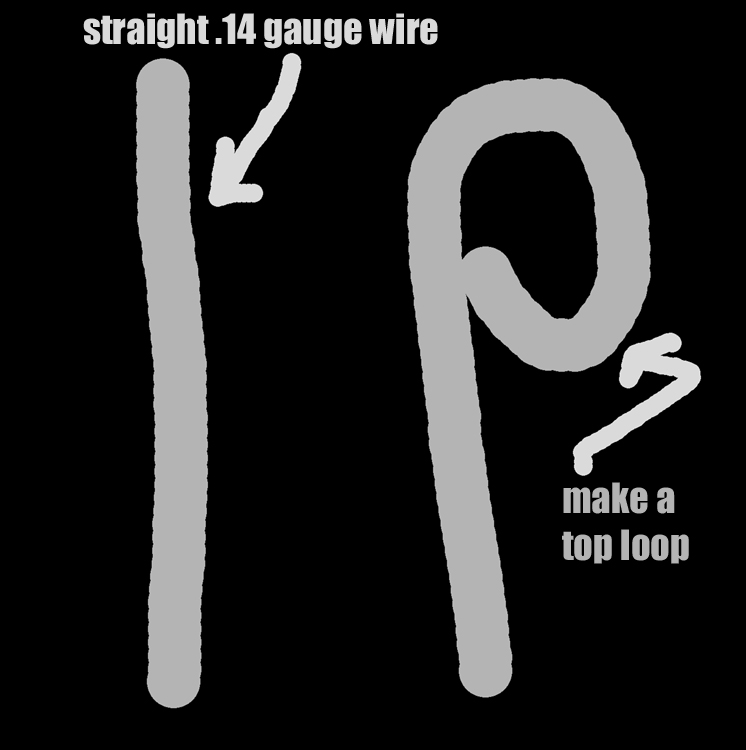
With your needlenose pliers, gently COAX the wire into a nice, wide loop, big enough inside to accommodate not merely a chain, but the clasp of a chain as well. Like I said, big, roomy, lots of space in there. Continue reading

ZOOMSHOP – Paleo Neolithic Ring

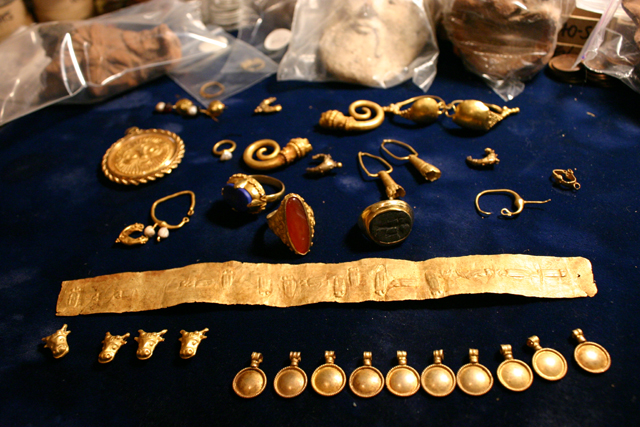
Studying actual ancient gold jewelry to understand how simple techniques can achieve powerful results.

Jewelers in ancient times had various tools available to them, depending upon the culture, the level of culture, the opportunities available to them or to their friends and families, but mostly it rested upon the traditions passed on through the generations.

Jewelers today have the same practices — many secrets are guarded and passed on only from father to son, mother to daughter, aunt or uncle to nieces & nephews. In short, they trust only family with these secrets.

I’ve never subscribed to that tradition. Continue reading

ZOOMSHOP – Basic Linking

x
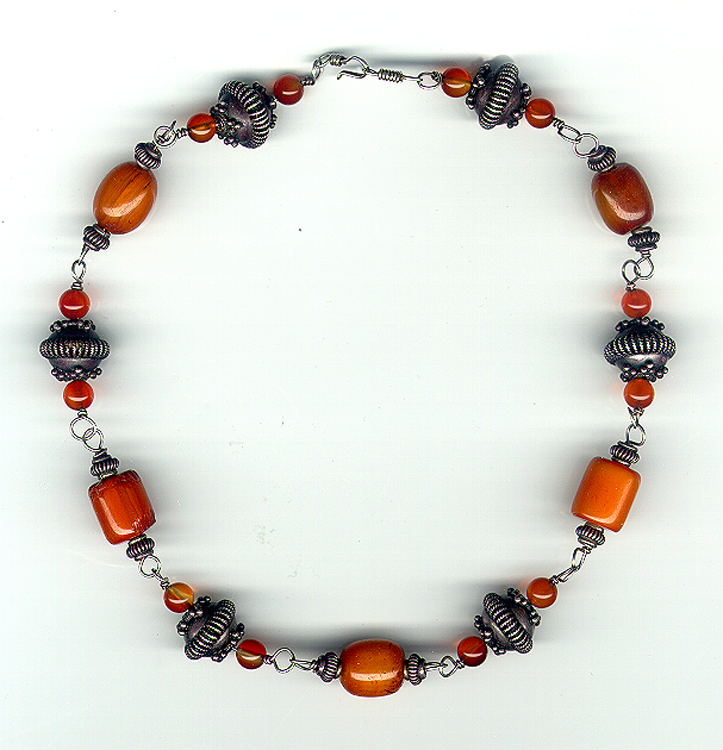
.925 modern silver linkage — Medieval Amber, Modern amber rounds & .999 fine Silver Granulation.

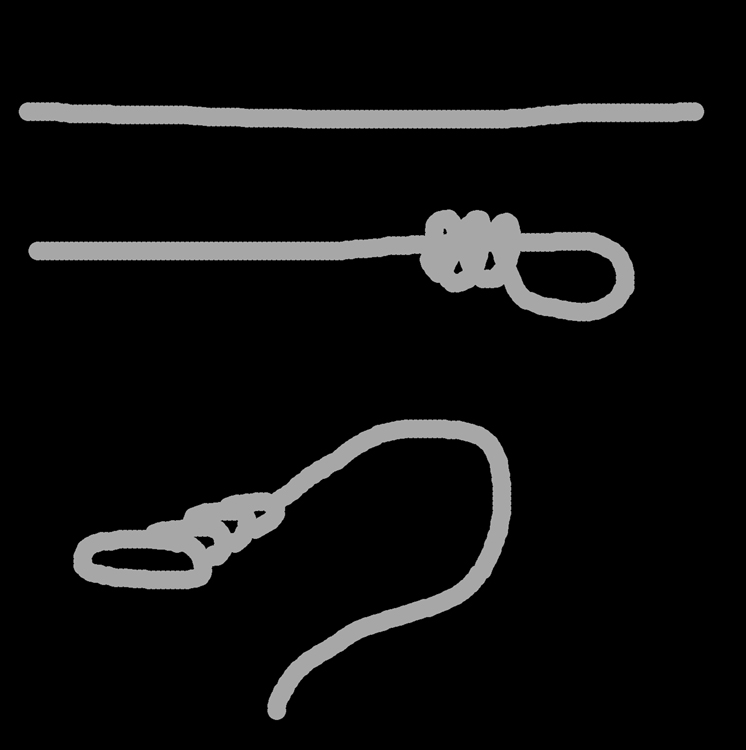
Linking is very basic for anything constructed of wire, and you’d be well-advised to master this skill by making many, many links in copper before trying your skill on silver and gold. How you link is, first cut a convenient and easy to handle length of .22 gauge wire, about ten to twelve inches long.

With your flush-cutter, clip off the very end of the wire with the flush side toward the larger piece. Cut off as LITTLE as possible — every bit of weight counts, both with precious gemstones and precious metals.

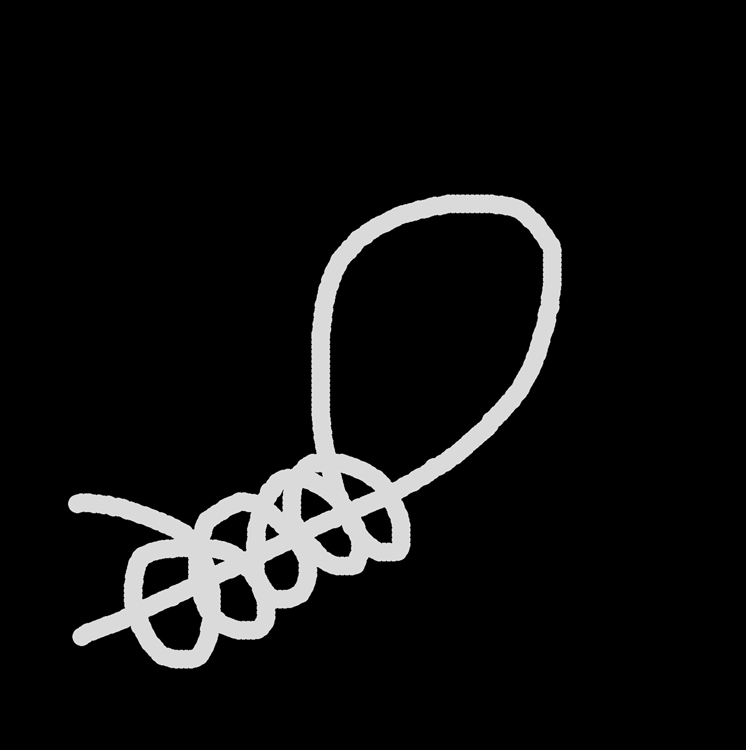
Using your needlenose pliers, place the tips about 2 inches from one end of the wire, and gently coax the wire into a bend back onto itself, and then deftly turn the wire and wind it around itself, as shown in the illustration below:

x
Loop the wire back upon itself and wrap the wire closely together side-by-side to make it look right.

Continue reading